
Smarter Stormwater Management for Challenging Environments
Managing stormwater effectively is becoming an increasingly important challenge for councils, infrastructure managers, developers and landowners across New Zealand. More frequent extreme rainfall events, climate adaptation requirements and ageing drainage networks are placing increasing pressure on existing stormwater systems.
Water Siphon provides innovative stormwater management solutions that can complement conventional drainage infrastructure and help move excess water where traditional gravity-based systems may be limited.
Whether you are planning a stormwater upgrade, flood mitigation project, detention pond improvement or investigating long-term resilience strategies, our technology offers a practical and low-maintenance solution worth considering.
Book a stormwater consultation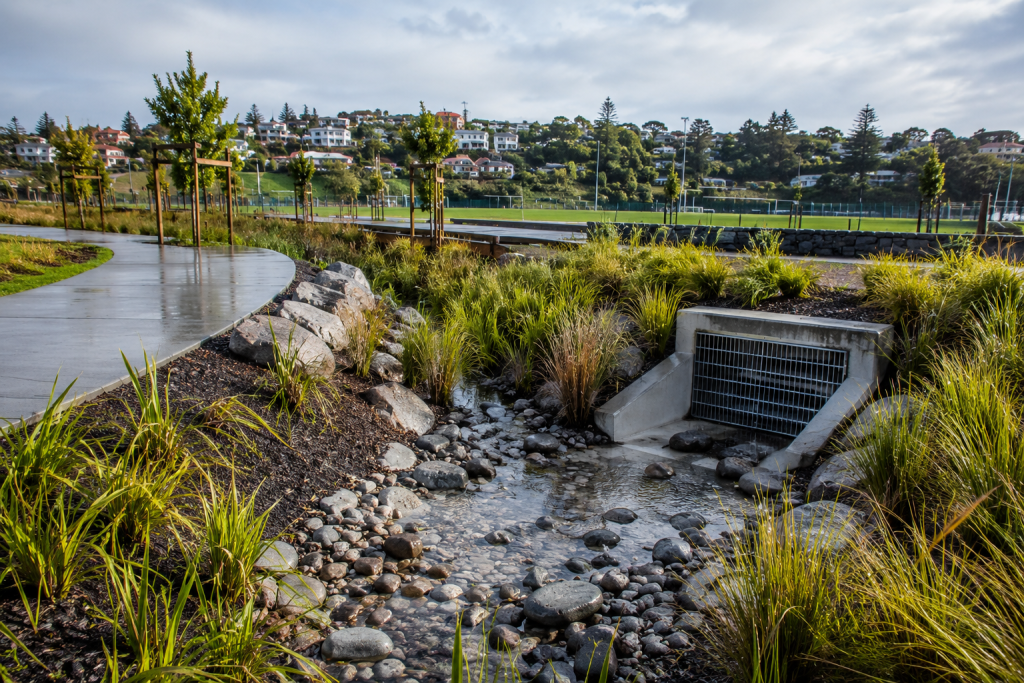
Applications for Councils and Infrastructure Projects
Local authorities and infrastructure planners are increasingly seeking sustainable solutions that improve flood resilience without creating significant ongoing operational costs.
Potential applications include:
- Urban flood mitigation projects
- Public reserve drainage
- Sport field drainage
- Wetland management
- Stormwater storage systems
- Coastal flood management
- Climate adaptation initiatives
- Water-sensitive urban design projects
- Community resilience planning
Because Water Siphon systems operate without pumps or external power, they can offer a low-maintenance solution for long-term stormwater management.
Book a stormwater consultationSupporting Sustainable Stormwater Infrastructure
Water Siphon technology may be suitable for a range of public infrastructure and stormwater engineering applications, including projects where conventional gravity drainage is constrained by site topography, limited fall or discharge restrictions.
Our systems can assist engineers, councils and project teams looking to improve water movement, enhance detention pond performance and strengthen flood resilience outcomes.
Effective stormwater systems help:
- Reduce flood risk
- Manage peak storm flows
- Protect roads and infrastructure
- Improve land usability
- Control groundwater levels
- Support wetland and detention pond performance
- Improve resilience during extreme weather events
Traditional systems typically rely on gravity to move water. In some situations, site topography, limited fall or discharge constraints can make conventional approaches less effective.
This is where alternative stormwater engineering solutions may provide significant advantages.
Innovative Stormwater Engineering Solutions
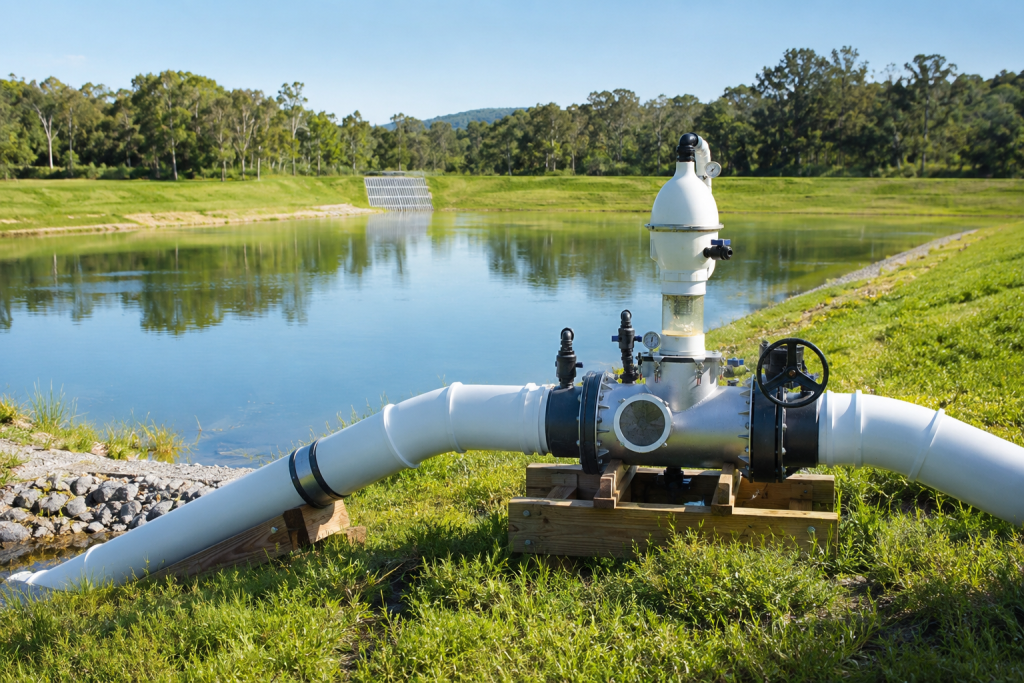
Water Siphon technology uses the natural principles of hydraulic head and siphonic flow to transfer water through a sealed system.
Unlike conventional drainage systems that require a continuous downhill gradient, Water Siphon can move water over rises and changing terrain while continuing to operate without pumps or electricity.
Potential applications include:
- Stormwater detention ponds
- Retention basins
- Constructed wetlands
- Flood-prone land
- Urban stormwater networks
- Rural drainage systems
- Coastal drainage schemes
- Water level management projects
- Infrastructure resilience projects
Every site is different, which is why we work alongside landowners, engineers and project stakeholders to evaluate the most effective approach.
Book a stormwater consultationSupporting Flood Mitigation and Resilience
Stormwater management forms an important part of any flood mitigation strategy.
By improving the movement and control of excess water, effective stormwater systems can help:
- Reduce prolonged inundation
- Improve recovery following heavy rainfall
- Protect productive land
- Reduce pressure on existing drainage infrastructure
- Enhance the performance of detention and storage systems
- Improve overall site resilience
Interested in how Water Siphon technology can improve your flood mitigation strategy?
Stormwater Devices and Water Control Systems
Modern stormwater management often relies on a combination of infrastructure and stormwater devices to control water movement and storage.
Depending on site requirements, Water Siphon technology may be used alongside:
- Stormwater ponds
- Wetlands
- Culverts
- Control structures
- Overflow systems
- Retention basins
- Drainage networks
- Water storage areas
By integrating with existing infrastructure, Water Siphon can help maximise the effectiveness of broader stormwater management strategies.
Book a stormwater consultation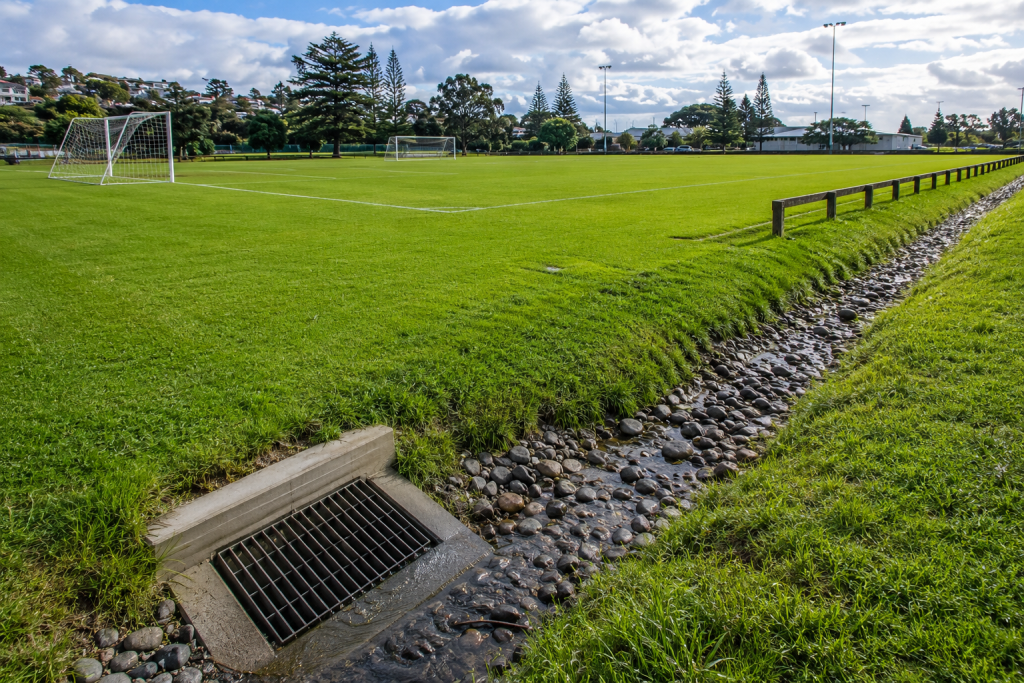
Stormwater Management Assessments
No two sites are the same. Our team can assess:
- Existing drainage challenges
- Stormwater storage opportunities
- Site topography
- Water movement pathways
- Potential discharge locations
- Flood-prone areas
- Opportunities for siphonic water transfer
The result is a practical assessment of whether Water Siphon technology could form part of your stormwater management strategy.

Talk to a Stormwater Management Specialist
If you are investigating stormwater management solutions, flood mitigation options or innovative engineering approaches, we’d be happy to discuss your project.
Contact Water Siphon to learn how our technology may help manage excess water more effectively and improve long-term resilience.
Book a stormwater consultationFrequently Asked Questions
If you can’t find the answers you’re looking for below, please contact us and we will be happy to assist you.
How can Water Siphon technology support Council stormwater projects?
Water Siphon technology can complement existing infrastructure by helping manage water levels in detention ponds, wetlands, reserves and flood-prone areas. Because the system operates without pumps or external power, it may provide a low-maintenance option for councils seeking long-term flood resilience and water management solutions.
Can Water Siphon be integrated into existing stormwater infrastructure?
Yes. Water Siphon technology can often be incorporated alongside existing stormwater ponds, wetlands, culverts, drainage networks and water control structures. Every site is different, so we assess each project individually to determine suitability and integration opportunities.
Is Water Siphon suitable for detention and retention ponds?
Yes. Water Siphon technology can help manage water levels within detention and retention ponds, providing controlled water transfer where conventional gravity-based outlets may be limited by site topography or available fall.
The minimum pond level is typically determined by the depth of the drainpipe invert. Water Siphon can lower the water below this level, creating additional storage capacity in anticipation of a major storm event.
What are the benefits of using Water Siphon instead of pumps?
Unlike pump systems, Water Siphon technology operates using natural hydraulic principles without electricity or motorised equipment. This reduces operating costs, maintenance requirements and reliance on external power.
Importantly, it continues working during major storm events when electricity may be disrupted, providing a reliable long-term water management solution.
Can Water Siphon help improve flood resilience for new developments?
Water Siphon technology may assist developers and engineers in managing stormwater challenges on sites where conventional drainage solutions are constrained by terrain, discharge limitations or changing contours. It can form part of a broader stormwater management and flood mitigation strategy.
What types of projects are suitable for Water Siphon technology?
Applications may include:
- Stormwater detention and retention ponds
- Public reserves and sports fields
- Wetland management projects
- Urban stormwater infrastructure
- Coastal drainage schemes
- Flood mitigation projects
- Infrastructure resilience initiatives
- Residential and commercial developments
- Rural drainage and water management projects
How do I know if Water Siphon is suitable for my site?
Our team can assess your site’s topography, water movement patterns, drainage constraints and project objectives. We then provide practical guidance on whether Water Siphon technology could form part of an effective management solution for your project.
Discuss Your Stormwater Management Needs
If you’re managing stormwater challenges, recurring flooding or water levels in detention and retention ponds, Water Siphon may offer a practical solution.
We work with councils, engineers, developers and infrastructure managers to assess site conditions and develop an effective approach that can complement existing stormwater systems.
Get in touch to discuss your site or request a Water Siphon demonstration.