
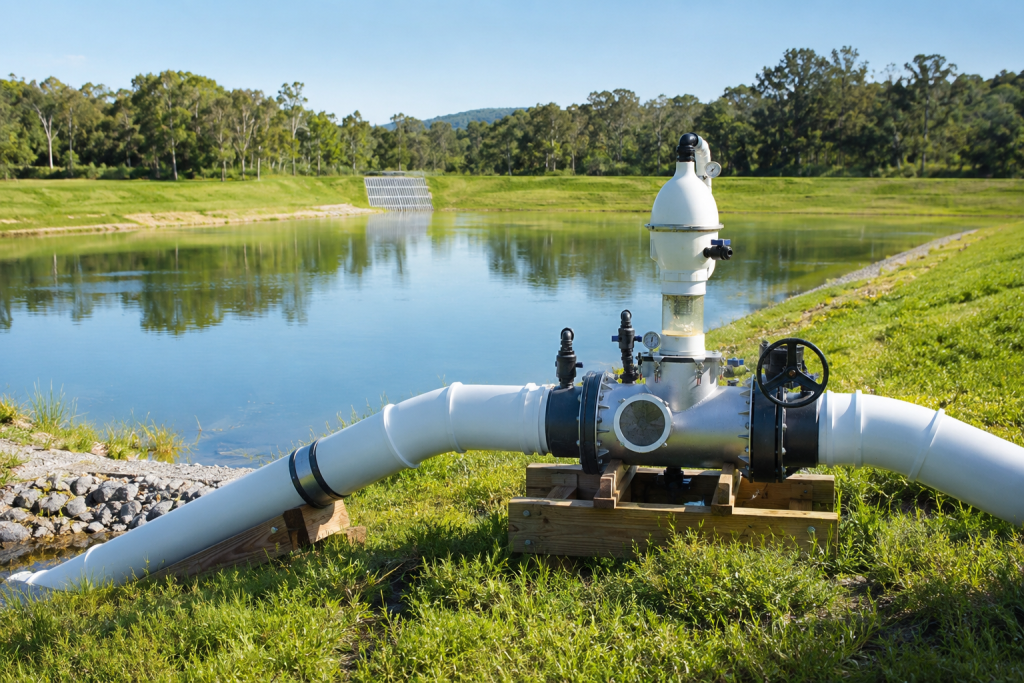
Innovative Water Management for Complex Challenges
Conventional drainage can be limited by topography, available fall, outlet levels and existing system capacity. Water Siphon offers a different way to manage excess water and groundwater levels across communities, infrastructure and productive land.
Developed in New Zealand by Tom Gardiner, this patented technology uses natural hydraulic principles to move surface water and extract groundwater over rises and changing terrain. It works alongside existing infrastructure and continues operating during major storms, even if electricity is disrupted.
Water Siphon technology can:
- Enable proactive surface water and groundwater level management
- Lower water levels in retention ponds, wetlands and reserves ahead of an impending storm, including below the drainpipe invert level, creating additional capacity for rainfall run-off and helping reduce the risk of downstream flooding
- Move large volumes of water across long distances
- Deliver three to five times the flow rate of a conventional gravity drain of the same diameter
- Transfer water over rises of up to 8 metres, including stopbanks and seawalls
- Lower surrounding groundwater levels and improve the soil’s capacity to absorb rainfall
- Operate without electricity or motorised pumps
- Work independently or integrate with existing drainage and stormwater infrastructure
- Provide a scalable, low-maintenance water management solution

Power-free operation
No electricity. No Pumps. Always Working.
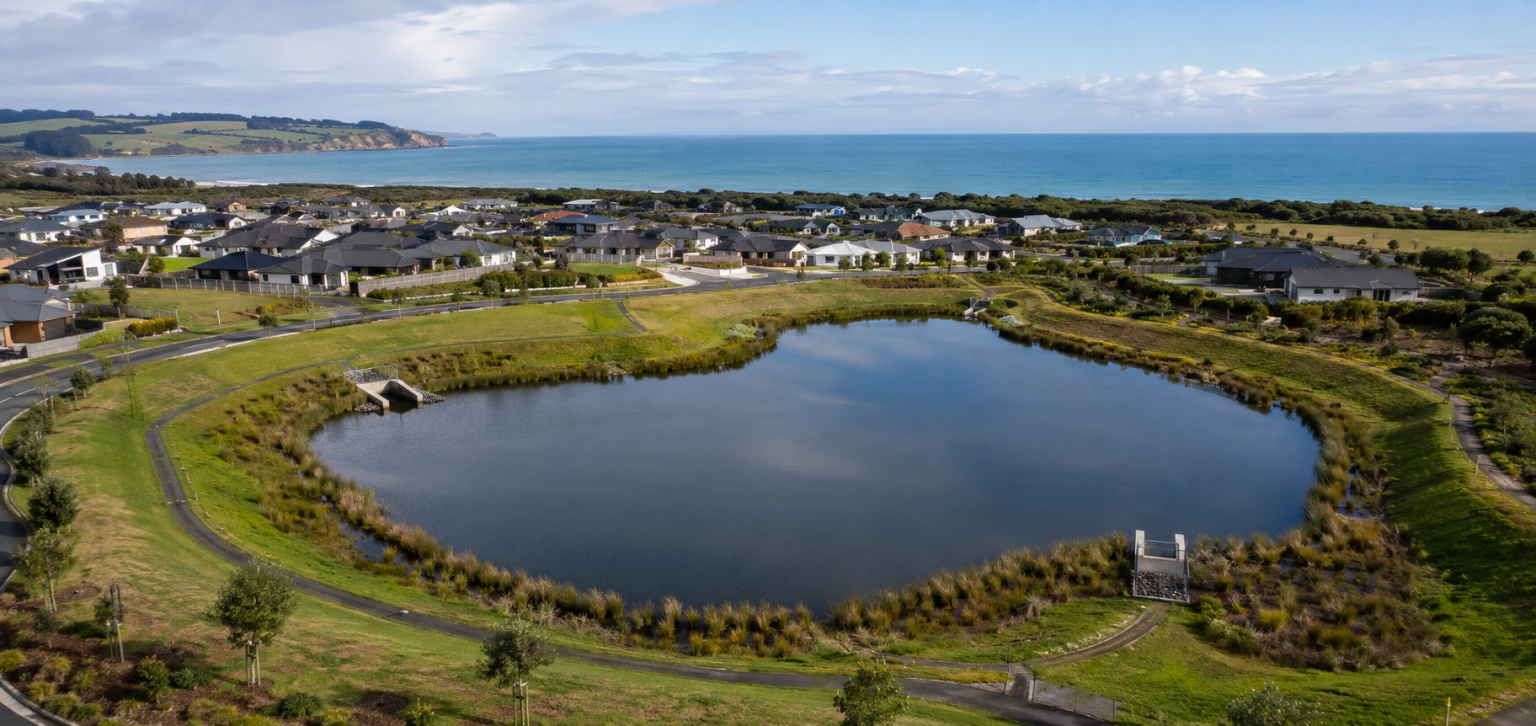
Solutions for Infrastructure and Productive Land
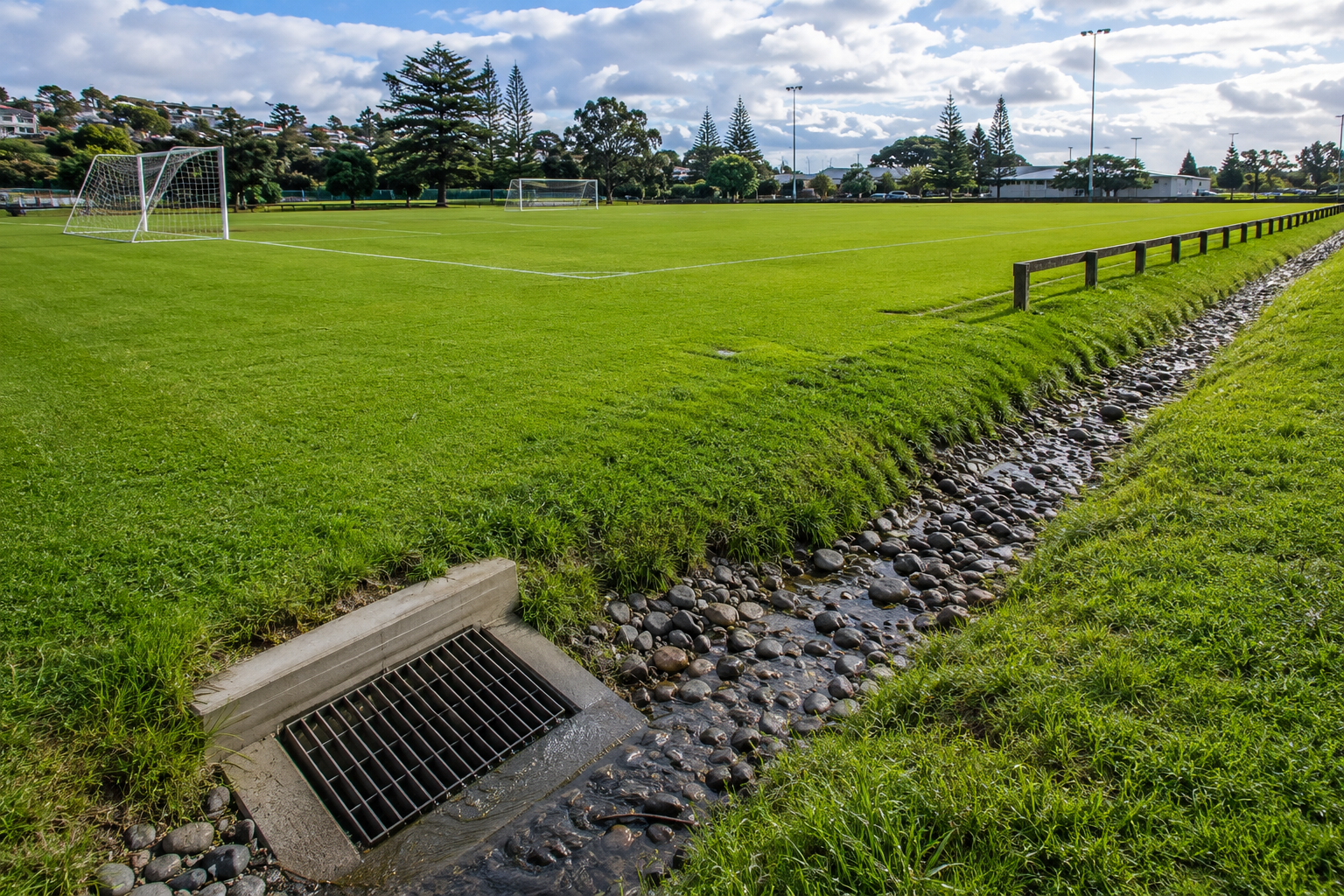
Stormwater Management
Innovative stormwater engineering for councils, developers and infrastructure managers.
Water Siphon technology supports retention ponds, wetlands, reserves, sports fields and flood-prone infrastructure. It can be activated ahead of a storm to lower water below conventional drainpipe invert levels, creating additional capacity for surface run-off and helping reduce the risk of downstream flooding. A siphon drainage pipeline can also deliver three to five times the flow rate of a conventional gravity drain of the same diameter.
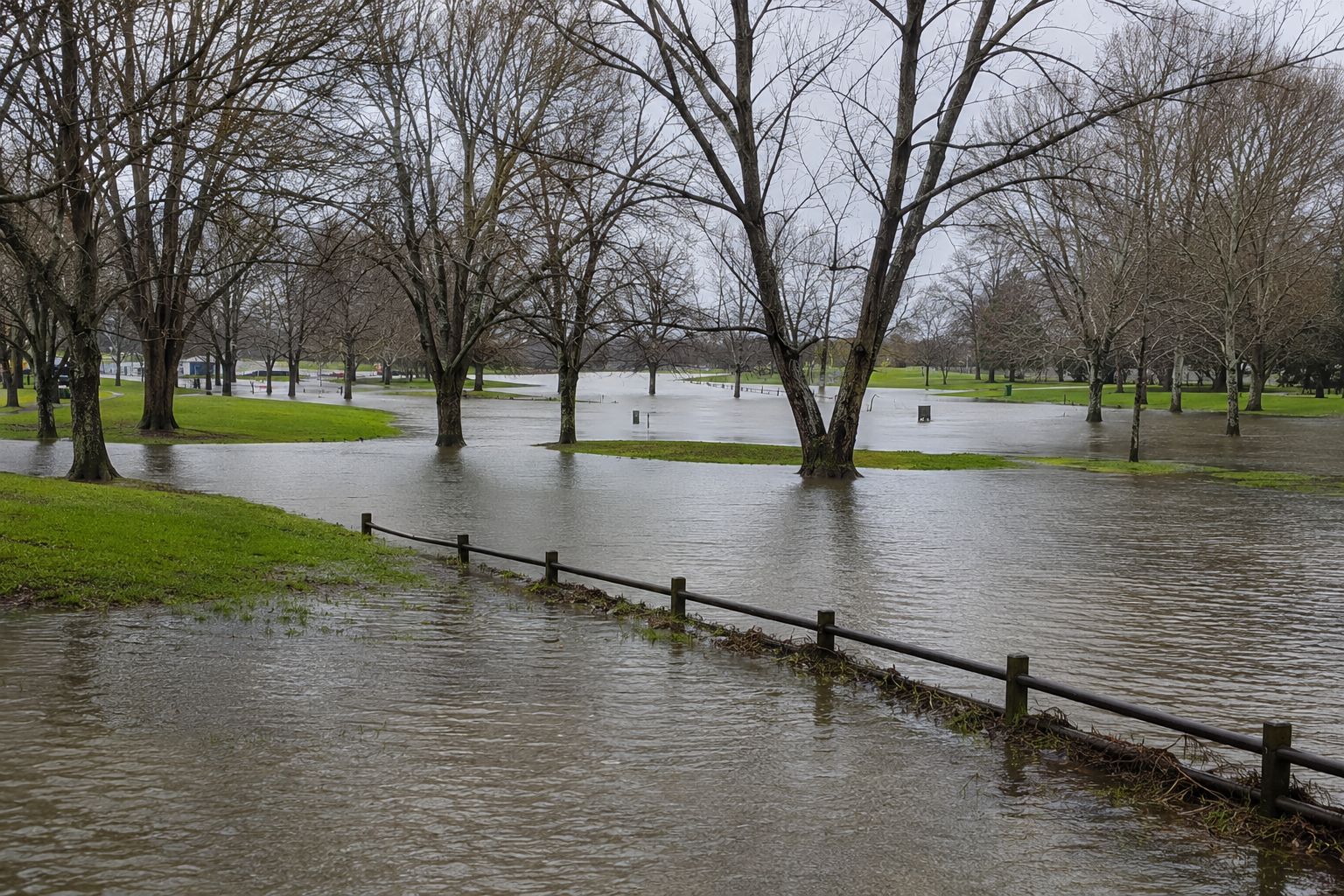
Flood Solutions
Proactive water management before, during and after heavy rainfall.
Water Siphon helps lower groundwater levels and restore the land’s capacity to absorb rainfall. A siphon drainage pipeline can deliver three to five times the flow rate of a conventional gravity drain of the same diameter. It can operate as part of a wider flood mitigation strategy, continuing to move water where floodgates, passive drainage or powered pumps may be constrained. Use our online calculator to design your site and compare options.

Drainage Consultant
Site-specific drainage solutions for farms and rural properties.
We survey land and water elevations, calculate potential flow rates and assess groundwater levels and the underlying causes of waterlogging before designing a practical drainage system for your land. Water Siphon technology can operate independently or alongside existing drainage infrastructure where it offers a clear advantage over conventional methods, helping improve soil conditions and support more productive land use.

Meet Tom Gardiner
The Innovator behind Water Siphon
For more than 30 years, Tom Gardiner has worked as an industrial product designer, developing practical solutions to complex engineering challenges.
Raised on a Hawke’s Bay farm, Tom experienced the effects of waterlogged soils, wet winters and fluctuating water levels first-hand. He has since brought together his agricultural background and decades of product development experience to create a new approach to drainage and water management.
After thousands of hours of research, testing and prototype development, Tom created the Water Siphon Primer Pump and broader Water Siphon system. The siphon primer technology is now patented in Europe, the USA and Australia, with patent applications pending in other countries. Today, Tom works alongside farmers, orchardists, councils, engineers, developers and infrastructure managers to investigate water challenges that conventional systems may not fully resolve.
About TomWorking with Natural Forces
1. Collect
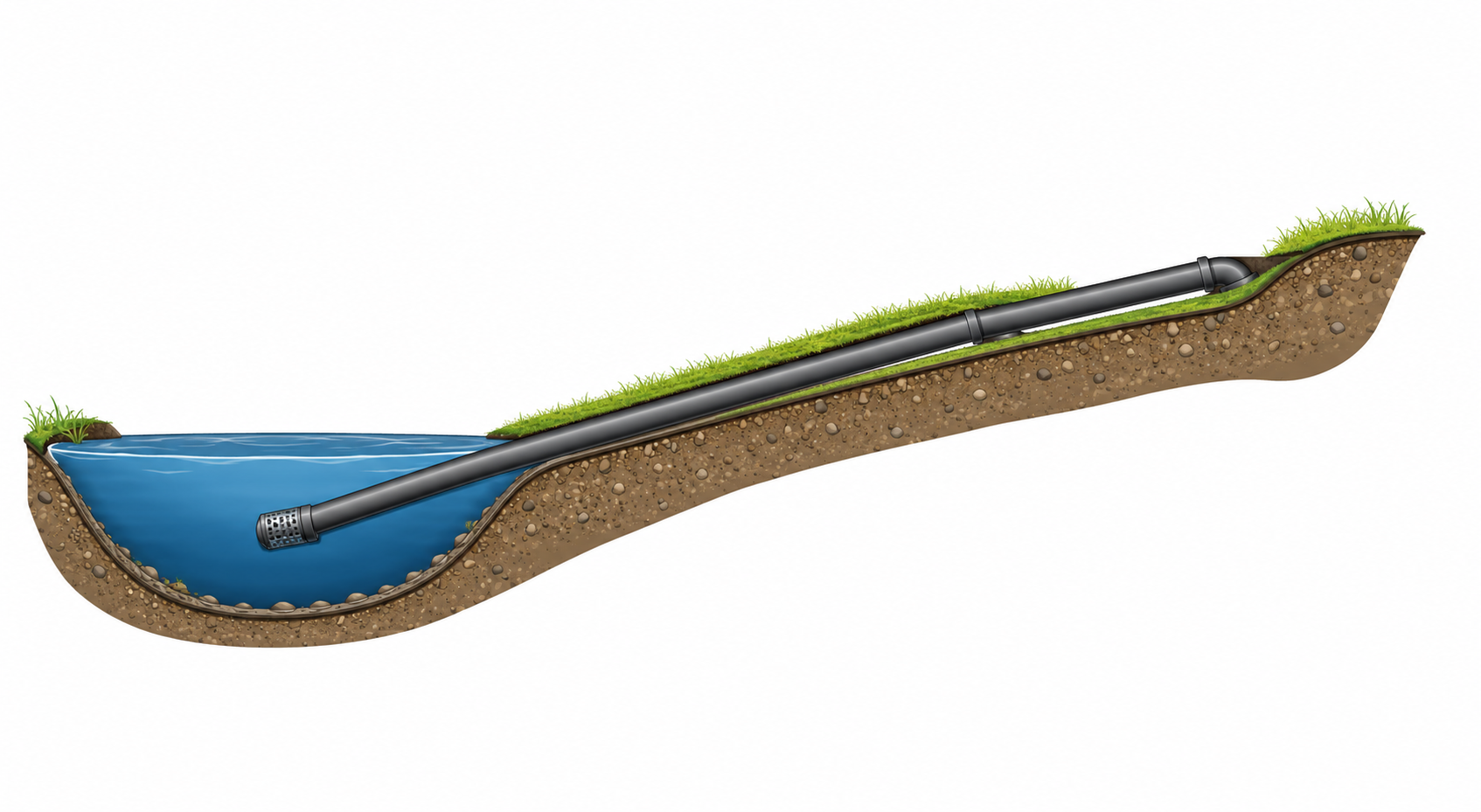
Water is sucked into the system at the collection point.
2. Rise
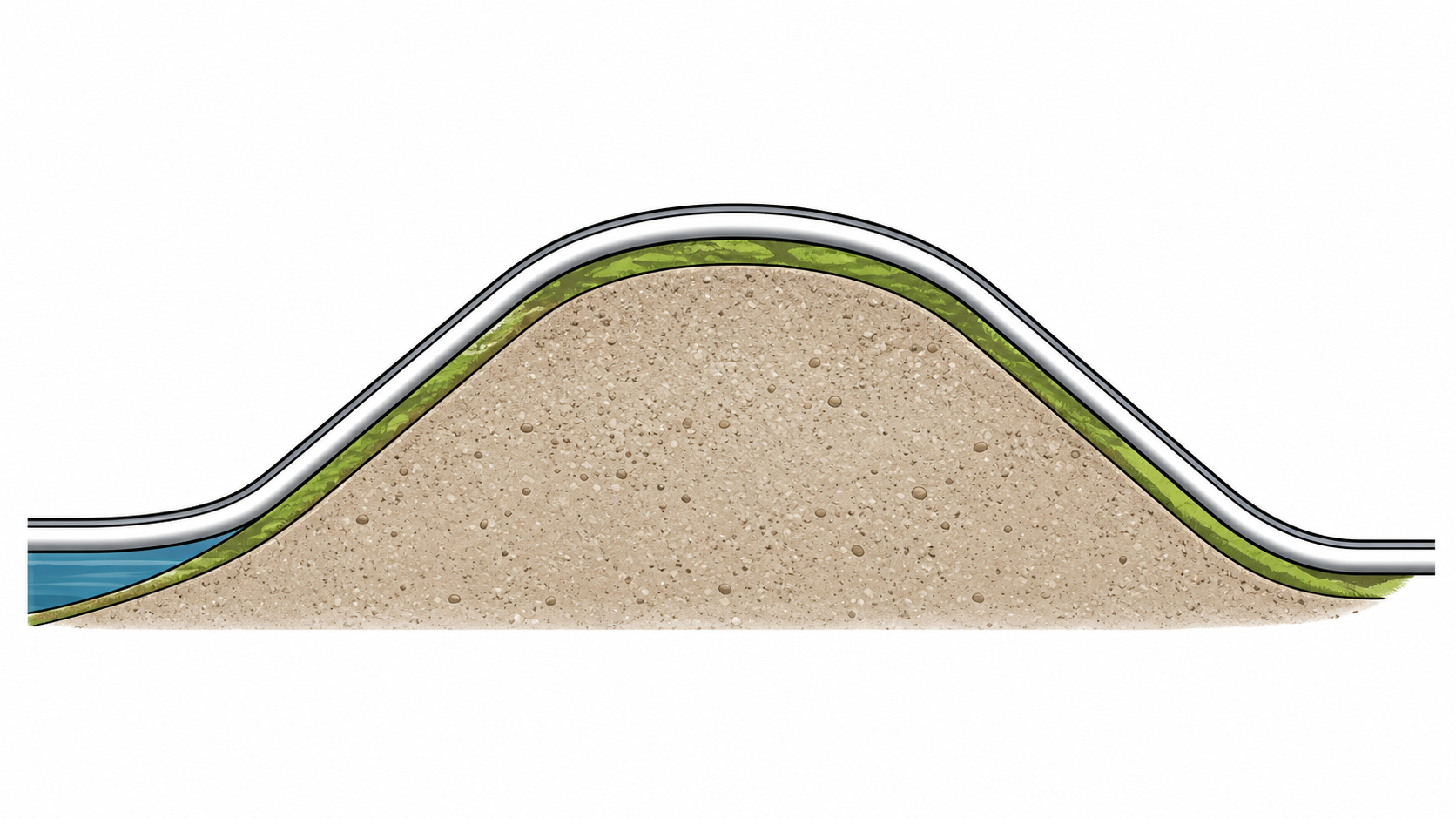
The sealed pipe rises over an obstacle.
3. Discharge
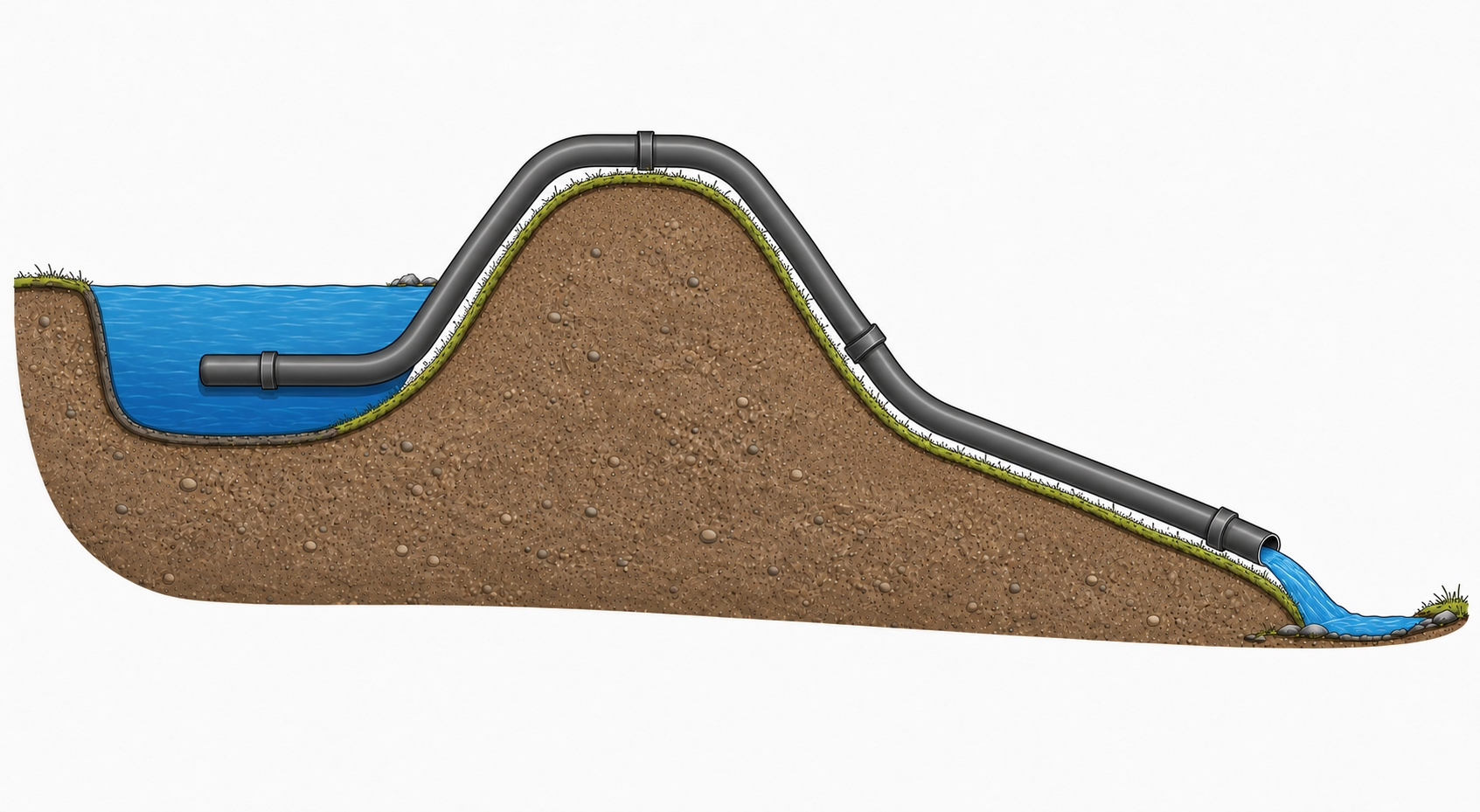
Water flows out to a lower discharge point.
Key benefits
- Moves large volumes of water naturally
- Crosses roads, railways and valleys
- No motorised pumps or power required
- Runs continuously in all conditions
- Low operating and maintenance costs
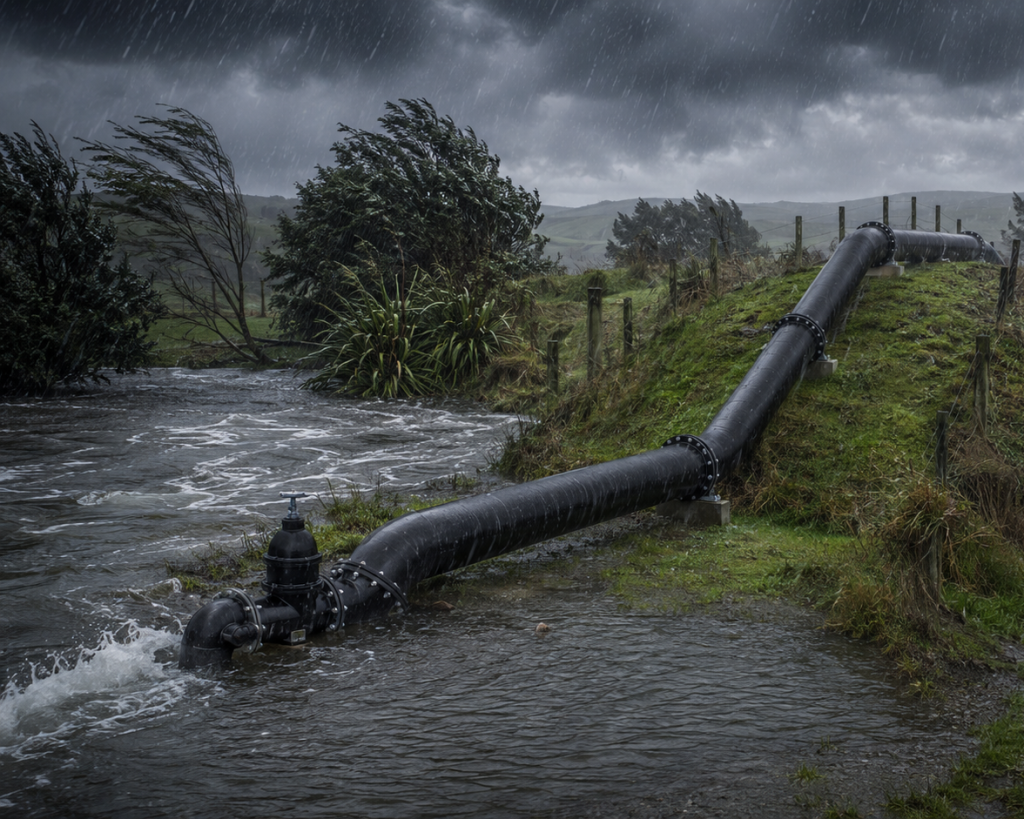
Built for Major Rainfall Events
Water Siphon systems are designed to keep working when it matters most. With no reliance on electricity, the system continues to operate during storm-related power outages.
Protect your communities, assets and land when the weather turns extreme.
Power-free operation
No electricity. No Pumps. Always Working.
Frequently Asked Questions
If you can’t find the answers you’re looking for below, please contact us and we will be happy to assist you.
What is Water Siphon technology?
Water Siphon is a power-free system that uses hydraulic head and siphonic flow to move water from a higher source to a lower discharge point. Unlike conventional gravity drainage, the pipeline can pass over rises and changing terrain.
Who can benefit from Water Siphon technology?
The technology may benefit councils, infrastructure managers, engineers, developers, farmers, orchardists and other landowners dealing with stormwater, flooding, high groundwater or difficult drainage conditions.
Can Water Siphon work with existing drainage infrastructure?
Yes. Water Siphon can operate independently or in cooperation with existing infrastructure, including ponds, wetlands, culverts, floodgates, drainage networks and other water control structures.
Does the system require electricity?
No. The Water Siphon operates without electricity or motorised power. It only requires a connection to a pressurised water supply. That could be a gravity feed or pumped system.
During initial degassing and priming of the pipeline the water is used about 50% of the time. However, once it is complete it is used very rarely to remove accumulated air bubbles.
So the Siphon system can continue operating during storm-related power outages.
Can Water Siphon help prepare for a storm?
Yes. Where site conditions allow, it can be turned on to further lower groundwater or pond levels in advance of heavy rainfall, increasing available storage and soil absorption capacity.
How do I know whether Water Siphon is suitable for my site?
The first step is an initial site assessment with Tom using Google Earth to determine whether there is a potential siphon opportunity. If the site appears suitable, the next step is an on-site evaluation, which may include a survey of water levels and infrastructure elevations. Tom will assess the topography, water movement, existing infrastructure and project objectives before recommending an appropriate approach.
Let’s Find a Smarter Way to Manage Water
Whether you are responsible for council infrastructure, planning a development or dealing with waterlogged farmland, Water Siphon may provide options that conventional drainage cannot.
Talk to Tom Gardiner about your site and find out whether Water Siphon technology could form part of the solution.
